
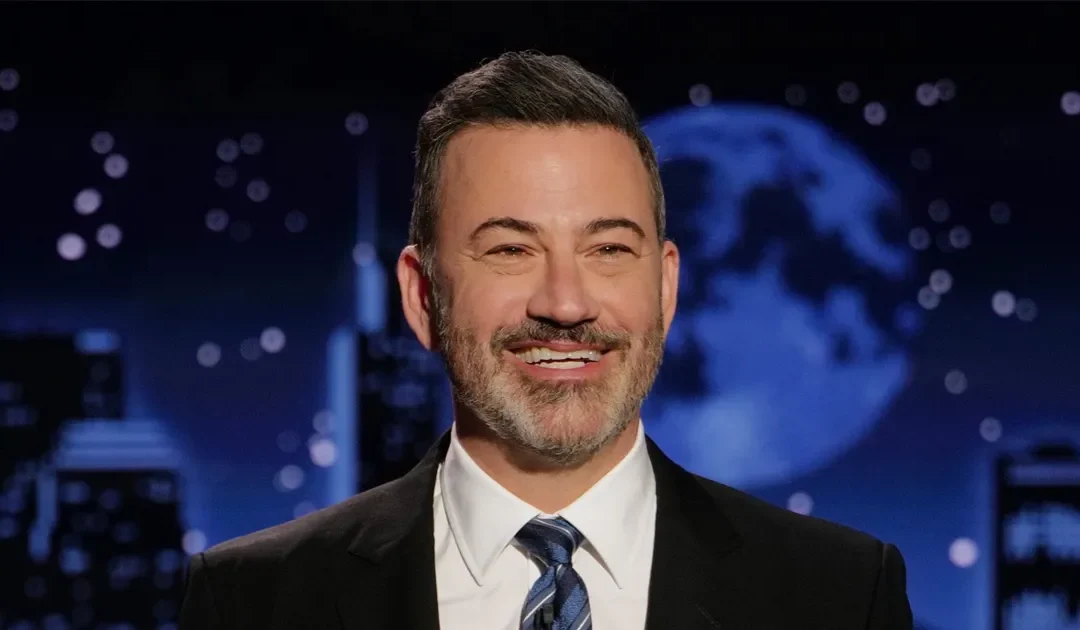
While Jimmy Kimmel is back on the air, what does his abrupt suspension say about television’s future? The dramatic decision delivered a jolt to television fans—and to the rulebook that’s governed late-night talk shows for decades. Kimmel’s absence from ABC, prompted by controversy over his on-air comments about the death of Charlie Kirk, quickly snowballed. Local affiliates opted not to air his return, social media lit up with discussions about free speech, and executives were forced into crisis comms mode. But beneath the headlines, a parallel shift is gathering speed: the long-predicted demise of linear television. In the words of media executive Scott Schiller, “Beyond censorship controversies and free speech concerns, the decline of late night is the newest signal that linear TV — outside of live sports — is losing its cultural foothold.
For generations, late-night hosts have been American television’s cultural referees. Networks built entire brand identities around household names like Carson, Letterman, and Leno—programming that delivered millions of viewers night after night. Yet today, that foundation has never seemed so fragile. The Kimmel saga is not just about the seismic changes rocking our nation with regard to free speech; it is an indicator of the shift from television to streaming as a delivery mechanism for TV content.
Is Late Night Replaceable?
Talk to any media strategist in 2025, and they’ll point to a single word to describe what’s happening in the TV landscape today. Fragmentation. According to Nielsen, traditional late-night viewership among coveted 18–49-year-olds has dropped by as much as 80% over the past decade. In the second quarter of 2025, Stephen Colbert managed 2.42 million viewers on CBS, Jimmy Kimmel averaged 1.77 million, and Jimmy Fallon on NBC pulled in 1.19 million. Ad dollars have declined accordingly: late-night TV advertising revenue for major networks hit just $220 million last year—barely half its 2018 peak.
Yet as TV ratings slide, a very different—and arguably more telling — story is unfolding online. Kimmel now boasts a YouTube channel with over 20 million subscribers and routinely sees his long-form videos fetch 2-4 million views each. Kimmel’s three most recent videos each earned over 3 million views. Colbert’s channel is close behind at 10 million; Fallon commands the largest digital presence, with over 32 million YouTube subscribers. Seth Meyers attracts around 5 million.
The digital impact is even more dramatic during high-profile moments: after his suspension, Kimmel’s nearly 30-minute monologue on YouTube surpassed 19 million views—making it his show’s most-watched segment ever and far exceeding that week’s 6.3 million TV viewers. In the hours after his return episode, Kimmel’s YouTube channel was clocking more than a million views per hour. When broadcast affiliates Nexstar and Sinclair blacked out the program, millions simply flocked to digital, proving that audience demand now transcends network schedules
Streaming Shifts Everything
This is not just a quirk of the news cycle. Streaming and on-demand viewing are fundamentally dismantling what “TV” even means. As of May 2025, streaming services account for 44.8% of U.S. television usage—now surpassing both broadcast and cable combined. Platforms like YouTube alone command 12.5% of total TV viewing time. Audiences now expect shareable, mobile, and on-demand content—not rigid schedules and regional blackouts.
The implications for brands and strategic communicators are enormous. Marketers are pouring spend into digital, prioritizing campaigns that can demonstrate real-time, demographic-specific engagement. The virality of Kimmel’s commentary, the sustained growth of subscriptions, and the millions of next-day YouTube views show that relevance, not mere reach, is now the arbiter of late-night and TV’s future.
Late-night monologues, celebrity interviews, and viral moments travel farthest online, to audiences that are global, immediate, and participatory. The conversation about “late night” has moved digital—whether through YouTube, Instagram Reels, or TikTok.
The Human Element
As for the business implications, this moment is both a warning and an opportunity. While our freedom of the press appears to be eroding on the one hand, audiences can be reached online perhaps more efficiently. Advertisers now have unprecedented options to reach audiences on their own terms, whether via livestreams, interactive content, or creator partnerships. Younger audiences—those who used to revel in the currency of late-night TV—are now building community and influence around shared digital touchpoints.
Censorship and the fragility of legacy media are no longer theoretical risks. We’ve witnessed the volatility of broadcast television and the agility of digital platforms. The lesson: control is dispersing, opportunity abounds for those willing to adapt. Relevance now travels on digital rails.
Closing Thoughts
As for television’s future? The smart money is on platforms where voices can be heard—and shared—without interruption.As we navigate these shifting currents, the importance of story, creativity, and culture endure. The lessons of this episode are multi-faceted: control is dispersing and opportunity abounds for those willing to adapt.